
"special highland coffee"
3000 article(s) found

The practice of Balu Volcano Coffee beans in Panamanian Coffee producing area
The microclimate of the Panamanian highlands is the most important resource that makes Panamanian coffee unique. The most important resource that makes Panamanian coffee unique is its microclimate. The east-west environment of the Republic of Panama allows cold air to flow through the Central Mountains and converge above 6500 feet, creating a variety of microclimates in the Boquete and Volcn Candela regions.

Boutique Coffee Panamanian Coffee Variety Kaduai, Kaddura, 30% Rosa
Panamanian coffee editor this entry lack of business card map, add relevant content to make the entry more complete, but also can be quickly upgraded, hurry up to edit it! The microclimate of the Panamanian highlands is the most important resource that makes Panamanian coffee unique. The most important resource that makes Panamanian coffee unique is its microclimate. The environment of the Republic of Panama from east to west allows cold air

Asian boutique Vietnamese coffee
Vietnamese coffee has a strong aroma, light sour taste, smooth and moist taste, slightly bitter aroma, full-bodied aroma, refreshing and refreshing. The representative products are Central Plains Coffee, Saigon Coffee (SAGOCAFE), Highland Coffee and moossy Coffee. The geographical location of Vietnam is very favorable for coffee cultivation. Southern Vietnam has a hot and humid tropical climate, which is suitable for growing ROBUSTA coffee.

Boutique coffee Panamanian coffee producing area Baru volcano coffee coffee bean coffee machine
The microclimate of the Panamanian highlands is the most important resource that makes Panamanian coffee unique. The most important resource that makes Panamanian coffee unique is its microclimate. The east-west environment of the Republic of Panama allows cold air to flow through the Central Mountains and converge above 6500 feet, creating a variety of microclimates in the Boquete and Volcn Candela regions.

Boutique coffee Panamanian coffee origin Panamanian coffee coffee beans
Panamanian coffee editor this entry lack of business card map, add relevant content to make the entry more complete, but also can be quickly upgraded, hurry up to edit it! The microclimate of the Panamanian highlands is the most important resource that makes Panamanian coffee unique. The most important resource that makes Panamanian coffee unique is its microclimate. The environment of the Republic of Panama from east to west allows cold air

Panamanian Coffee Coffee Origin Coffee introduction Panamanian coffee taste
Panamanian coffee editor this entry lack of business card map, add relevant content to make the entry more complete, but also can be quickly upgraded, hurry up to edit it! The microclimate of the Panamanian highlands is the most important resource that makes Panamanian coffee unique. The most important resource that makes Panamanian coffee unique is its microclimate. The environment of the Republic of Panama from east to west allows cold air

Panamanian Coffee processing method Honey treatment and traditional washing
Panamanian coffee editor this entry lack of business card map, add relevant content to make the entry more complete, but also can be quickly upgraded, hurry up to edit it! The microclimate of the Panamanian highlands is the most important resource that makes Panamanian coffee unique. The most important resource that makes Panamanian coffee unique is its microclimate. The environment of the Republic of Panama from east to west allows cold air

Delicious, rich, full-bodied Honduran specialty highland coffee
Honduras 'high-quality coffee uses water washing to treat coffee beans, usually after soaking, in the soaking time, defective fruit will surface, can be discarded first. The good fruit is then placed in a fruit peeler and peeled off by the rotating force of the machine. The peeled fruits are screened by machines to select excellent quality fruits. usually larger fruit

Boutique coffee Panamanian coffee features Panamanian coffee introduction coffee beans
Panamanian coffee editor this entry lack of business card map, add relevant content to make the entry more complete, but also can be quickly upgraded, hurry up to edit it! The microclimate of the Panamanian highlands is the most important resource that makes Panamanian coffee unique. The most important resource that makes Panamanian coffee unique is its microclimate. The environment of the Republic of Panama from east to west allows cold air

Introduction of Panamanian coffee producing areas introduction of Panamanian coffee beans, flavor, taste, fine coffee beans
The appropriate microclimate, soil, temperature and height of these highlands are suitable for sowing, planting and harvesting a variety of unique coffees. These coffees have jasmine, citrus, ripe fruit, berries, caramel, special sweetness, vanilla, chocolate and other flavors. The unique coffee endemic to Panama is divided into small batches, classified and numbered, and small batches are designed to have a small capacity to

Characteristics of Panamanian varieties with various flavors introduction to Fine Coffee beans in Manor
The microclimate of the Panamanian highlands is the most important resource that makes Panamanian coffee unique. The most important resource that makes Panamanian coffee unique is its microclimate. The east-west environment of the Republic of Panama allows cold air to flow through the Central Mountains and converge above 6500 feet, creating a variety of microclimates in the Boquete and Volcn Candela regions.

Rich and well-balanced coffee manor in Honduras. Introduction to Santa Barara Manor.
There are two kinds of very good quality coffee produced in Honduras, one is the highland coffee grown at an altitude of 1000 to 1500 meters, and the other is the selected highland coffee growing at an altitude of 1500 to 2000 meters, which represents the highest level in Honduras. Most of them are exported to the United States and Germany. Although Honduran coffee does not have very distinct characteristics, it has a better overall taste.

Highland and mountainous coffee growing areas Mexican coffee producing areas Colabegu and O'Aluca states
The annual average temperature of the Mexican plateau is 2527 ℃; the climate of the Mexican plateau is mild all the year round, and the territory is mostly plateau topography, with no severe cold in winter, no heat in summer, and evergreen trees in four seasons, so it enjoys the laudatory name of the Pearl of the Plateau. Due to geographical and climatic reasons, the coffee growing area of Mexico is close to Guatemala, the main producing areas are, and most of the products are produced in the highlands.

Taste characteristics of Highland Coffee selected by Honduras San Juan Theodore
Honduran coffee has a rich and mellow taste, taste is not astringent, not sour, mellow and aroma are very high, quite personality. Honduran coffee can lead to multiple levels of flavor depending on the degree of roasting. Moderate baking can maximize the sweetness of beans, while deep baking increases bitterness, but sweetness does not disappear. Generally speaking, medium baking tastes best
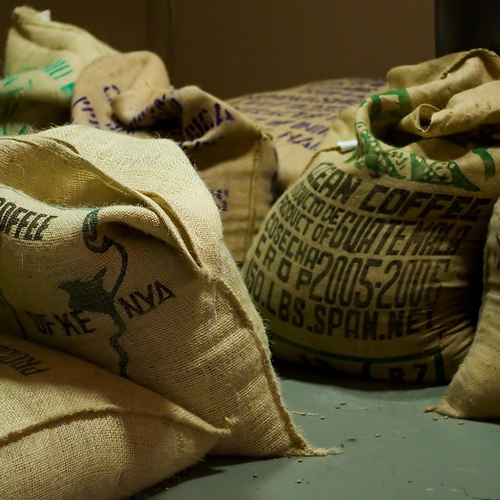
Honduran raw coffee-preferential policy of import tariff on Honduran raw coffee Honduran coffee
Honduras: selected Highland Coffee South America: Colombia, Venezuela, Peru, Brazil. Latin America, Central America and the Caribbean: Jamaica, Dominican Republic, Puerto Rico. Arab East Africa: Yemen, Ethiopia, Kenya, Tanzania, Maganda, Zimbabwe. Southern Asia Oceania: India, Indonesia, Sulawesi, Guagua, New Guinea, Hawaii, Taiwan

Honduras: flavor and taste characteristics of selected Highland Coffee
Honduras is located in the north of Central America, facing the Caribbean Sea to the north, the Gulf of Fonseca in the Pacific Ocean to the south, Nicaragua and El Salvador to the east and south, and Guatemala to the west, mostly mountains and plateaus. It has a tropical climate, mild temperature and abundant rainfall, so it is an ideal place for coffee growth. Two kinds of very good quality coffee are produced in Honduras, which are highly respected by coffee lovers.

Taste characteristics of Panamanian varieties introduction to the flavor of boutique coffee beans in the manor
The microclimate of the Panamanian highlands is the most important resource that makes Panamanian coffee unique. The most important resource that makes Panamanian coffee unique is its microclimate. The east-west environment of the Republic of Panama allows cold air to flow through the Central Mountains and converge above 6500 feet, creating a variety of microclimates in the Boquete and Volcn Candela regions.

Boutique Coffee Panamanian Coffee Variety Kaduai, Kaddura, 30% Rosa
The microclimate of the Panamanian highlands is the most important resource that makes Panamanian coffee unique. The most important resource that makes Panamanian coffee unique is its microclimate. The east-west environment of the Republic of Panama allows cold air to flow through the Central Mountains and converge above 6500 feet, creating a variety of microclimates in the Boquete and Volcn Candela regions.

Introduction to the taste characteristics of high-quality Salvadoran coffee flavor description and grinding treatment
Salvadoran coffee flavor: balanced taste, excellent texture suggested baking method: moderate to deep, there are many uses of high-quality beans: Salvadoran SHB taste characteristics: sour, bitter, sweet mild moderate. Salvadoran coffee ranks side by side with Mexico and Guatemala as the producers of Asa and Merdo, and is fighting for the top one or two places in China and the United States with other countries. Highland of origin

Guatemala Coffee Volcano producing areas Atitlan, Waijangs Plateau, Mini Nanguo Highlands
. Traditional Traditional Atitln is one of the five largest volcanic coffee producing areas in Guatemala, and its soil organic matter is the most abundant among the five major volcanic coffee producing areas. 90% of the traditional Atilan coffee is grown on the violent volcanic slopes of Lake Attilan. The daily breeze stirs the lake water, which is an important factor affecting the microclimate and environment of the region.